
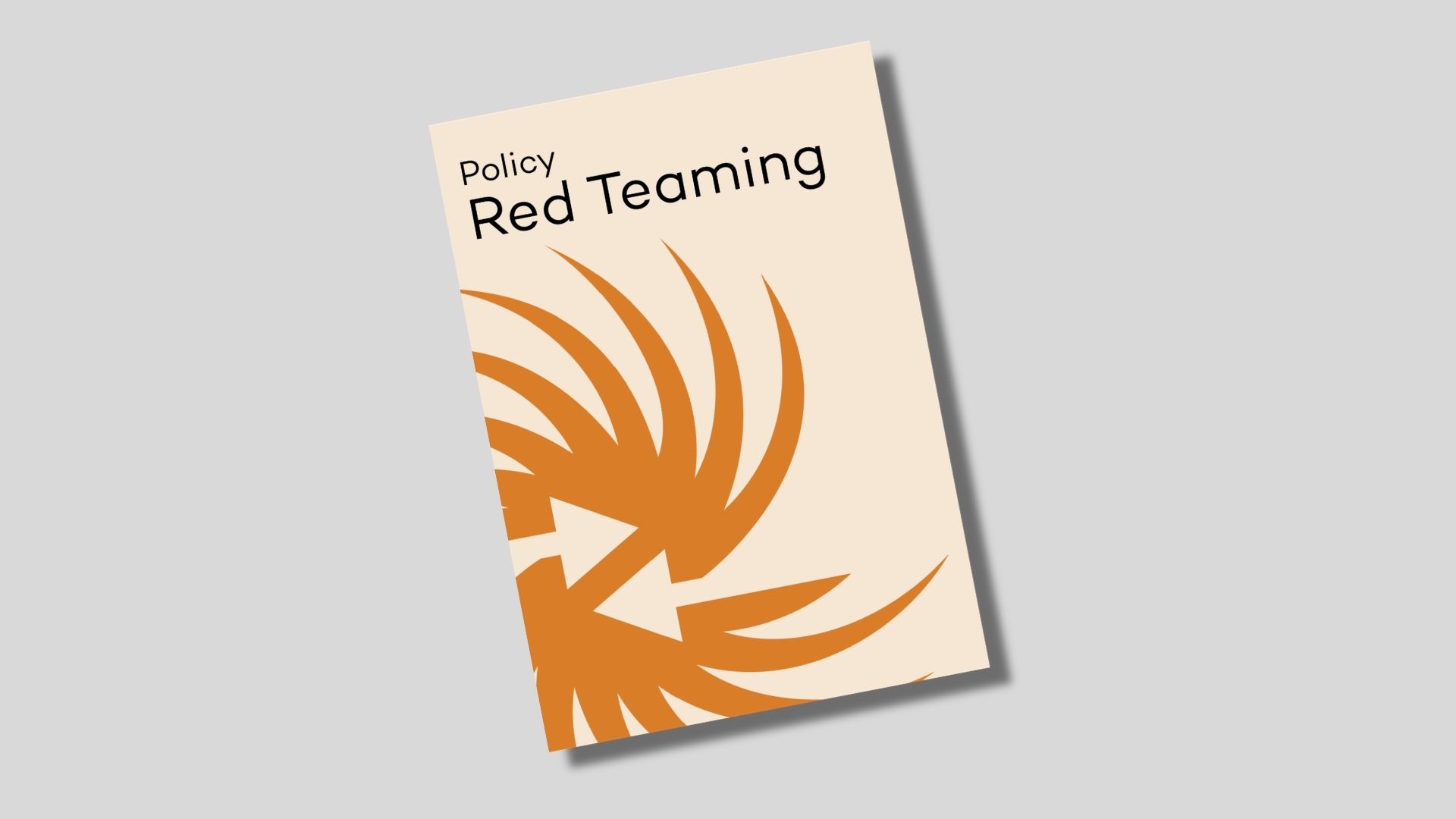


What is Science Sparring, and when does it work best? A new handbook, Policy Red Teaming: A How-To Guide on Science Sparring, explains what the method is and how to organise it. It aims to make the method accessible and offers practical tips for putting it into action.
Science Sparring is a knowledge brokering method in which researchers review early policy drafts from the perspective of research knowledge and expertise. The multidisciplinary group of researchers form a “red team”, an expert group outside the policy preparation that can look at a draft with fresh eyes. Their job is to examine the draft critically, question the assumptions behind it and expose blind spots, including knowledge gaps, and in this way, support improving the quality of the policy draft. Knowledge brokers facilitate the process and make participation by both researchers and policy-makers easy.
Rather than following a traditional question-and-answer logic, Science Sparring does not begin with predefined questions but with a broader articulation of the knowledge need. Based on this need, knowledge brokers design the process to meet the need, emphasising policy relevance.
“Science Sparring grew out of collaboration between a committed group of policymakers, researchers and knowledge brokers who all wanted to strengthen the connection between research and policy. We decided to gather what we have learned under one cover, and we hope the method will be tested boldly across a range of policy contexts,” says knowledge broker Linda Lammensalo.
Theory and practice in one place
The handbook places policy red teaming within the wider family of knowledge brokering methods and examines its theoretical foundations. The practical sections explain how to plan and run a Science Sparring process, with tools and ten tips for organisers. The handbook also looks at the benefits the method brings to policy-makers and researchers. Although the handbook is mainly intended for knowledge brokers, it may provide useful insights to researchers and policy-makers interested in the method.
“Writing the handbook helped us fine-tune the method, because we had to set out its core elements clearly enough to share them with others. We hope the handbook helps others use the method and that they will give us feedback on how to develop it further,” continues knowledge broker Laura Väliniemi.
Part of a wider move to professionalise knowledge brokering
Science Sparring contributes to a broader international effort to strengthen knowledge brokering in support of evidence-informed policymaking. From the start, the aim was to develop a goal-oriented knowledge brokering method to support science-policy interaction at an early stage of policy-making and to ensure the process supports policy-makers’ actual knowledge needs.
The authors hope that the method will inspire new ways of organising science-policy interactions. The handbook is meant to be a living document that grows with experience. The authors invite knowledge brokers, researchers and policy-makers to try the method and share their feedback.
This handbook was written as part of the Phenomenon Map project, funded by the Jane and Aatos Erkko Foundation.
More infromation:

Linda Lammensalo
Knowledge broker
Phone: +358 50 308 7726
linda.lammensalo@acadsci.fi
Science for policy, especially science-policy dialogues

Laura Väliniemi
Knowledge broker
Phone: +358 40 091 0978
laura.valiniemi@acadsci.fi
Science for policy, especially science-policy dialogues